![]() |
||||||||||||
| ARTISTS |
||||||||||||
|
DENNIS ROPAR
|
|||||||||||
| kylie baudino | ||||||||||||
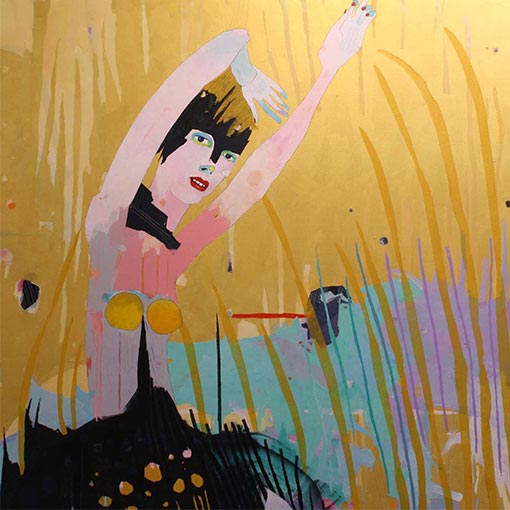
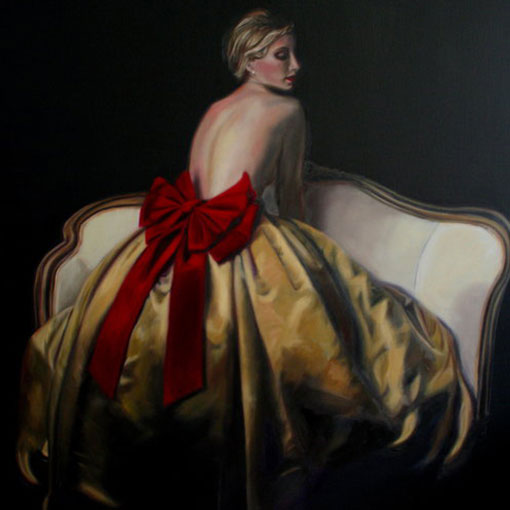
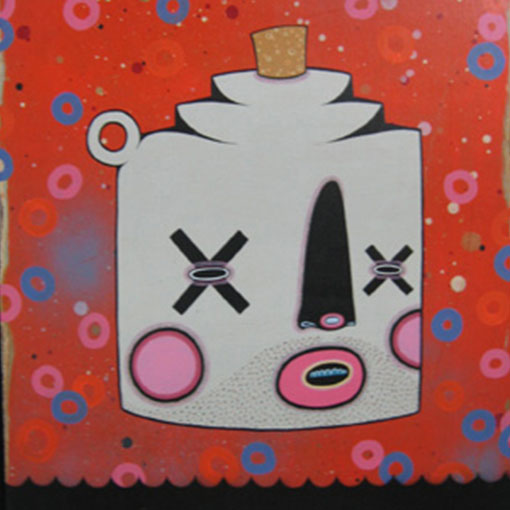
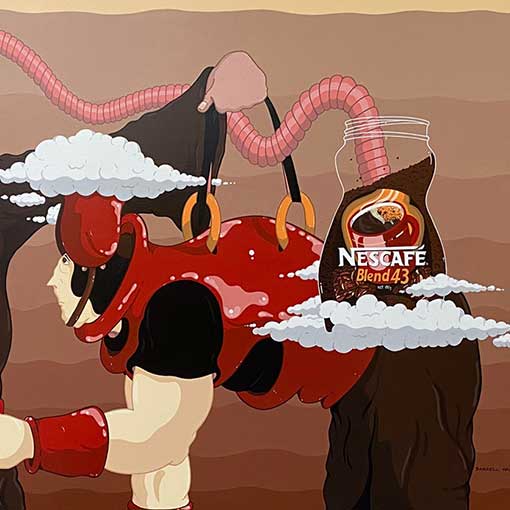
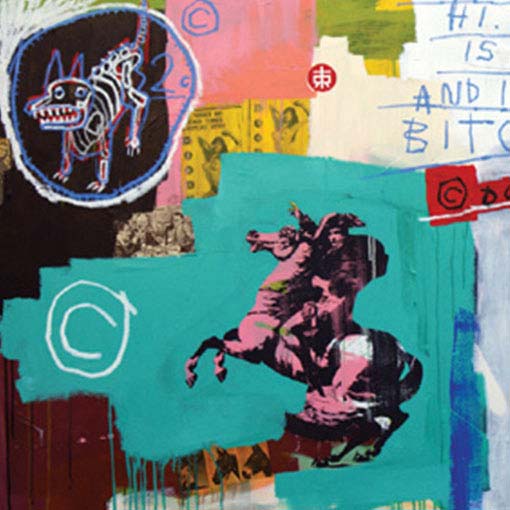
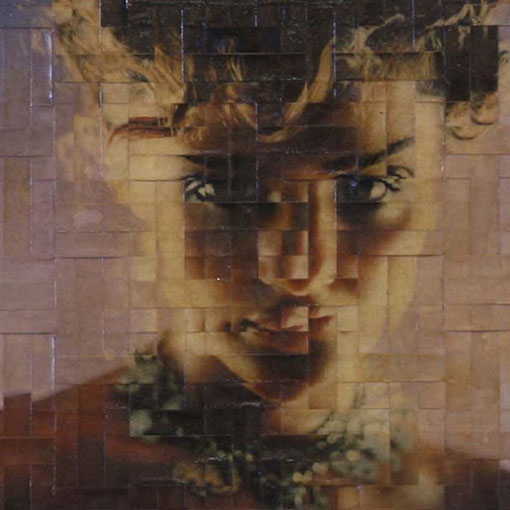
| "'Real love' is everywhere, pulsating with guts and glory. Unperturbed by the consequences of its affection, love blazes in that eternal moment of self-interest. 'Love' is different for each one of us. Our western consumer society has given us the right to put self-love first.” Ropar 2009 Drawing on Popular Culture Iconology of the 1950s, Ropar offers viewers a pastiche of parody that comments on brazen consumerism the comodification of Love within our society. Feminine protagonists of self love are portrayed overtly, engaging the viewer directly. The figures, surrounded by popular culture effigies, invite the viewer to consider the different forms of love found within our lifestyle. This line of questioning is articulated through items such as: popsicles, overt sexuality, text and composition. It is interesting to note that Ropar’s take on Real love explores all facets of love. His works, while arresting the viewer with the strength of their composition and colour schemes, act as effective advertising and secure their attraction with the viewer instantly. However, once captured we are alerted to the other side of Real Love. As a modern day Romantic, Ropar considers the dangers of Love, alluding to it through the inclusion of symbols that warn the viewer to be wary. Ropar satirically highlights the dangers of Love. Ropar highlights, “The 'unlucky' tag reminds us that the choices we make for the things we love can ultimately be unlucky. The smoking cowboy gets cancer, the car kills, the object of our desire is remote, or even a fantasy, as advertising woos us with its mirage. Love as con trick- dangerous and fatal.” In the same way that Ropar articulates the advertisement of Real Love, he conceptually interweaves his own love of self and self promotion through out the works presentation. Ropar extrapolates the discourse on love through other considerations such as parental love, consumer love, romantic love, love of power, love of smoking or simply love of drinking 7Up on a hot day. Ropar’s successful discourse on Love is complimented with the works consisting of an onslaught of personal symbolism, the incorporation of which allows for the succinct reading of the work. The inclusion of the Bambi icon for example, alludes to the gentleness that Love offers and offers a powerful juxtaposition when butted up against the depicted figures. Other symbology includes the use of the Lichtenstein Pop Art brush stroke, symbolizing that the works are painted by the artist. Ropar also cleverly references contemporary pop art through the addition of the stenciled light blue spots referencing today’s graffiti culture. Ropar references the Hokasai’ wood cut wave, and harnesses the film reference of the “Smoking Gun”. Both images reference poignantly the power that drives real love. The juxtaposition of varied tropes that Ropar
successfully conflates, contributes to the overall impact of the Real
Love collection offering the viewer an explosive visual engagement. |
||||||||||||
| keith cowlam | ||||||||||||
| nathalie daoust | ||||||||||||
| james disher | ||||||||||||
| jane disher | ||||||||||||
| sue gill | ||||||||||||
| rosi griffin | ||||||||||||
| peter harris | ||||||||||||
SOLO
EXHIBITIONS |
||||||||||||
| corinne lewis | ||||||||||||
| tom mutch | ||||||||||||
| darren porter | ||||||||||||
| gary rance | ||||||||||||
| dennis ropar | ||||||||||||
![]() HELMET # 1 |
||||||||||||
| tomek sikora | ||||||||||||
| gillian warden | ||||||||||||
|
![]() 7 UP LOVE |
|||||||||||
|
![]() PINK GREEN LADY |
|||||||||||
site design by Breakstuff ® |
||||||||||||